





Introduction
The religious landscape of the United Kingdom has changed significantly over recent decades. Black Majority Churches have grown rapidly, and ethnic diversity within congregations has increased across many parts of the country. Yet despite these developments, Black Christian pastors continue to face major obstacles in recruitment, retention, and leadership progression within mainstream denominations.
This paper examines the structural and institutional barriers affecting Black clergy within the UK church context, while exploring the wider implications for diversity, justice, and representation in Christian leadership.
The Growth of Black Majority Churches
Black Majority Churches (BMCs) have become an important part of British Christianity. Estimates suggest there are nearly 4,000 Black Majority Churches across the UK, serving approximately one million adherents nationwide. In inner London, nearly half of churchgoers are Black, demonstrating the vibrancy and influence of Black Christian communities.
Despite this demographic reality, representation within mainstream denominations often remains disproportionately low. Many established institutions continue to struggle with racial diversity at leadership level.
Employment Challenges Within Mainstream Denominations
Research and reports have highlighted ongoing concerns surrounding structural and institutional racism within parts of the British church. Black clergy frequently encounter difficulties transitioning into senior pastoral positions, with many reporting discriminatory attitudes, unconscious bias, and limited opportunities for advancement.
Several denominations have faced criticism regarding diversity in leadership structures, including:
- The Church of England
- Methodist Church
- Fellowship of Independent Evangelical Churches (FIEC)
- Assemblies of God UK
- Evangelical Alliance
- Grace Churches UK
While many publicly affirm commitments to inclusion and equality, leadership representation often does not reflect the diversity found within their congregations.
Statistical Underrepresentation
Available statistics demonstrate significant disparities in representation.
Data from the Church of England revealed that while 7.8% of ordinands beginning training identified as Black, Asian, or Minority Ethnic backgrounds, only 3.8% of current stipendiary clergy came from those backgrounds.
Similarly, reports from the Methodist Church indicated that less than 2% of ministers identified as Black, despite substantial diversity within congregations. Other evangelical networks have acknowledged underrepresentation but have often lacked comprehensive demographic reporting.
Institutional Racism and Structural Barriers
One recurring issue identified across multiple reports is the lack of robust data collection and accountability mechanisms regarding racial diversity within church leadership.
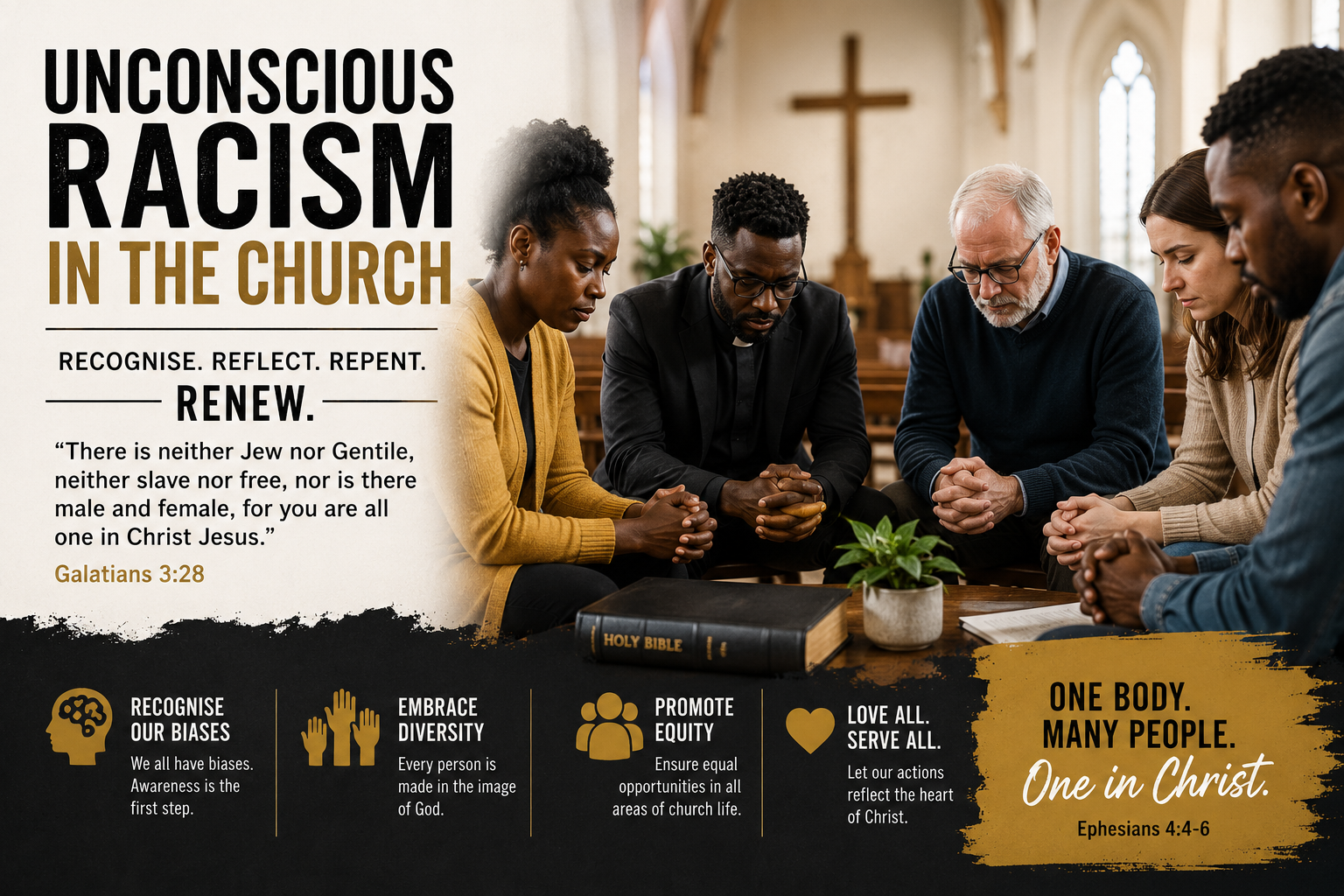
Without transparent systems, meaningful progress becomes difficult to measure. Structural barriers, unconscious bias, and cultural gatekeeping continue to affect recruitment and promotion pathways for Black pastors across numerous denominations.
The issue extends beyond individual prejudice and points toward wider institutional systems that often unintentionally preserve existing leadership cultures.
Recommendations for Greater Inclusion
To encourage greater equity and representation within church leadership, several key recommendations emerge:
1. Enhanced Data Collection
Churches and denominations should implement transparent reporting systems regarding racial and ethnic representation within leadership structures.
2. Anti-Racism Training
Regular anti-racism and cultural awareness training should be provided across institutions to address unconscious bias and foster healthier leadership cultures.
3. Transparent Recruitment Processes
Recruitment and promotion pathways should be clear, accountable, and equitable for all candidates.
4. Mentorship and Support Networks
Support structures for Black clergy are essential in providing encouragement, advocacy, and leadership development opportunities.
5. Accountability Measures
Institutions should establish measurable diversity goals and regularly assess progress toward greater inclusivity.
Conclusion
The challenges faced by Black Christian pastors within the UK reveal broader issues concerning diversity, representation, and institutional culture within British Christianity.
While Black Majority Churches continue to thrive, many mainstream denominations still struggle to reflect the diversity present within their congregations. Addressing these issues requires intentional reform, transparent leadership practices, and a commitment to fostering genuinely inclusive church environments.